What Is Urinary Incontinence Treatment (PTNS)? A Guide to Bladder Therapy in Dubai
Urinary incontinence is a common yet often under-discussed condition that affects both men and women. It can significantly impact confidence, daily activities and overall quality of life.
Fortunately, modern physiotherapy offers safe, non-surgical treatments such as Posterior Tibial Nerve Stimulation (PTNS) to effectively manage bladder dysfunction.
In this guide, we explain what urinary incontinence is, how PTNS therapy works, and who can benefit from treatment.
What Is Urinary Incontinence?
Urinary incontinence refers to the involuntary leakage of urine due to loss of bladder control.
Common types include:
-
Stress incontinence – leakage during coughing, sneezing or exercise
-
Urge incontinence – sudden, intense urge to urinate
-
Overactive bladder (OAB) – frequent and urgent urination
-
Mixed incontinence – combination of stress and urge symptoms
This condition can occur due to:
-
Pelvic floor weakness
-
Nerve dysfunction
-
Childbirth
-
Ageing
-
Prostate-related conditions in men
-
Post-surgical complications
Early treatment significantly improves outcomes.
What Is PTNS Therapy?
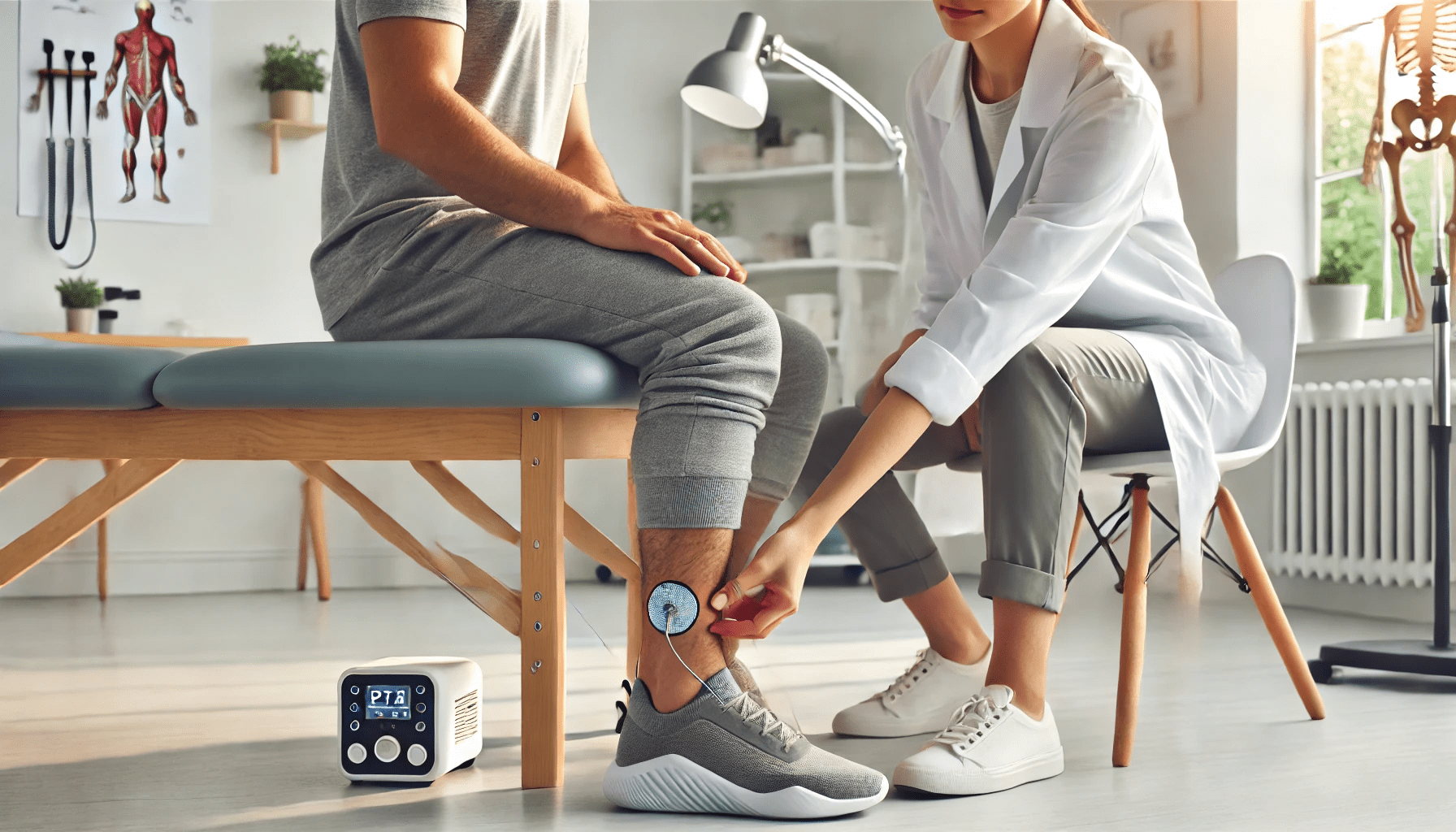
Posterior Tibial Nerve Stimulation (PTNS) is a minimally invasive treatment that helps regulate bladder function by stimulating the tibial nerve near the ankle.
The tibial nerve connects to the sacral nerve plexus, which controls bladder activity.
By stimulating this pathway, PTNS:
-
Reduces urinary urgency
-
Decreases frequency
-
Improves bladder control
-
Calms overactive bladder signals
It is an effective alternative to medication or surgery.
How Does PTNS Treatment Work?
A PTNS session typically involves:
1️⃣ Assessment
Your physiotherapist evaluates:
-
Type of incontinence
-
Symptom severity
-
Medical history
-
Pelvic floor function
2️⃣ Gentle Nerve Stimulation
A small, fine needle electrode is placed near the ankle to stimulate the posterior tibial nerve.
The treatment:
-
Lasts around 30 minutes
-
Is generally well tolerated
-
Causes minimal discomfort
Most patients undergo a structured course of sessions for optimal results.
3️⃣ Ongoing Monitoring
Progress is reviewed regularly to:
-
Adjust treatment intensity
-
Monitor symptom improvement
-
Support long-term management
Who Can Benefit from PTNS Therapy?
Urinary incontinence treatment in Dubai is suitable for:
🔹 Women
-
Post-pregnancy incontinence
-
Menopausal bladder changes
-
Pelvic floor dysfunction
🔹 Men
-
Post-prostate surgery incontinence
-
Overactive bladder symptoms
🔹 Individuals with Overactive Bladder (OAB)
-
Frequent urination
-
Sudden urgency
-
Night-time urination
If you are searching for non-surgical urinary incontinence treatment in Dubai, PTNS therapy offers a safe and effective solution.
Benefits of PTNS Therapy
Patients often experience:
-
Reduced urinary frequency
-
Decreased urgency episodes
-
Improved bladder control
-
Better sleep
-
Increased confidence
-
Improved quality of life
It is particularly beneficial for those who prefer to avoid medication or invasive procedures.
Is PTNS Therapy Safe?
When performed by trained healthcare professionals, PTNS therapy is:
✔ Safe
✔ Minimally invasive
✔ Evidence-based
✔ Well tolerated
It is widely used internationally as a first-line treatment for overactive bladder.
Why Choose Urinary Incontinence Treatment in Dubai?
Professional physiotherapy clinics in Dubai offer:
-
Confidential, supportive care
-
Evidence-based treatment protocols
-
Individualised bladder rehabilitation plans
-
Integrated pelvic floor physiotherapy
Seeking help early can significantly improve comfort and daily function.
Final Thoughts
Urinary incontinence is a manageable condition, and you do not have to live with its impact on your confidence or lifestyle.
PTNS therapy provides a modern, non-surgical solution that helps restore bladder control safely and effectively.
If you are experiencing symptoms, professional assessment and personalised treatment can help you regain control and improve your quality of life.
Book your confidential consultation today.